Dan Bilzerian hit the exact nerve the government was hoping the public would ignore: it has been exactly 146 days since the Department of Justice blew past a strict legal deadline to release the complete Jeffrey Epstein files. When President Donald Trump signed the Epstein Files Transparency Act on November 19, 2025, the mandate was absolute, giving the DOJ a 30-day window to unseal the records and let the public finally see the truth. Instead, the agency delivered a heavily redacted, virtually useless partial batch of documents while hiding behind the unquestionable excuse of “victim protection.” But that heavy black ink isn’t just shielding the innocent; it is buying critical time for the implicated.

To understand what is actually happening, you have to look past the predictable bureaucratic excuses. If an ordinary American citizen defied a federal judge or ignored a mandated law for nearly five months, federal marshals would be kicking their door down. They would be sitting in a jail cell, denied bail, and facing years in federal prison. Yet, when the highest law enforcement agency in the country completely ignores legislation signed by the sitting President, the consequences are entirely non-existent. It is the absolute normalization of a two-tiered justice system playing out in plain sight.

This delay has nothing to do with administrative inefficiency or a lack of resources. It is a calculated, raw display of institutional power by an unelected bureaucracy. The DOJ knows that the longer a high-profile scandal drags on, the more the public’s outrage fades into apathy. They are employing a classic Washington stalling tactic: release a fraction of the information, redact everything of substance, and claim the delay is for purely moral reasons. By weaponizing the very real need to protect victims, the agency creates a highly effective smokescreen that makes it politically toxic for anyone to demand faster compliance.
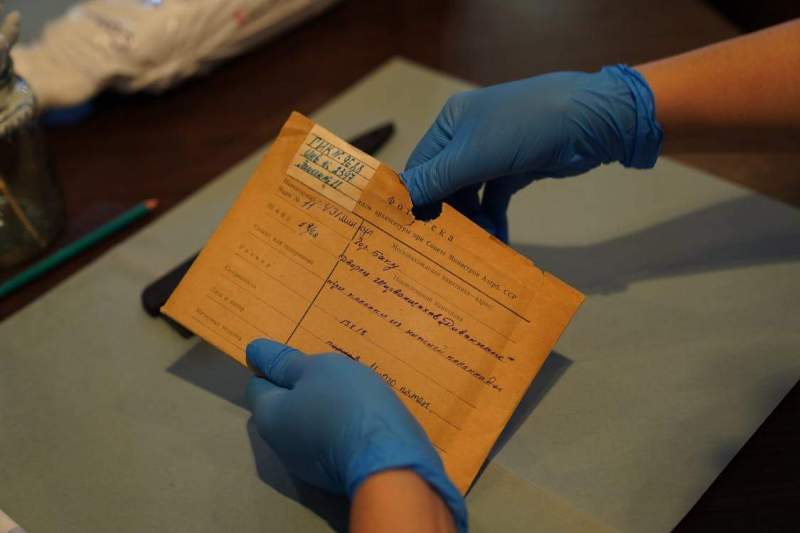
But what exactly takes 146 extra days to redact? The Epstein network was a massive, highly documented financial and logistical operation. The files are known to contain comprehensive flight logs, banking records, and communication transcripts tying global elites to the disgraced financier. Scrubbing the names of minor victims is a standard legal procedure that modern legal teams can execute in days, not months. The meticulous, manual blacking out we are seeing suggests an entirely different motive. The redaction pens are working overtime to erase the operational footprints of powerful figures who cannot afford to be associated with Epstein’s enterprise.

Bilzerian isn’t the person you’d normally expect to deliver a striking critique of the federal government’s structural hierarchy, but his viral outrage has exposed a glaring media blind spot. Major networks are either focusing entirely on Bilzerian’s reputation to discredit the message, or they are blindly accepting the DOJ’s timeline as a necessary legal evil. They are completely ignoring the stark reality that a federal agency is currently overriding the executive branch with zero oversight. When unelected officials can casually bypass a transparency act, it proves the bureaucratic state operates entirely on its own terms, protecting its own assets.
We are watching a masterclass in institutional preservation. The 146-day legal violation is a feature of the system, not a bug. It demonstrates that federal law is incredibly flexible when the reputations of the global elite are on the line. The clock is still ticking, and the public’s patience is wearing dangerously thin. At this point, the most important question in Washington is no longer just who is named inside those unreleased files. The real question is who exactly gave the order to keep the black marker running.