Rice water is not “kitchen waste.” It’s a starch-heavy rinse that can change how your hair and skin behave.
That cloudy liquid left behind after soaking or cooking rice carries amino acids, minerals, and plant compounds that hit the surface of your body like a thin, invisible coat. Used the right way, rice water can make rough strands lie flatter, make frizz stop fighting you, and leave skin looking less sandpaper-dry and more awake.
That’s why people keep calling it liquid gold. They’re not talking about magic; they’re talking about what happens when a simple rinse starts working like a cuticle-smoothing film instead of another product that sits there and does nothing.
And the beauty industry hates simple. There’s no glossy ad campaign for soaking rice in a bowl, no overpriced bottle with a celebrity face on it, no profit margin fat enough to scream about what your kitchen already holds.

The cheapest fix gets the least airtime.
The first thing your hair notices is the friction drop
Dry, tangled hair behaves like two pieces of Velcro slammed together. Every brush stroke rips at the surface, every knot turns into breakage, and every morning becomes a fight with a comb that feels like it’s punishing you.
Rice water lays down a starch-rich veil that helps strands slide past each other instead of snagging like a rusty chain. That means less snapping, less puffing, and less of that wild halo that shows up the second humidity enters the room.
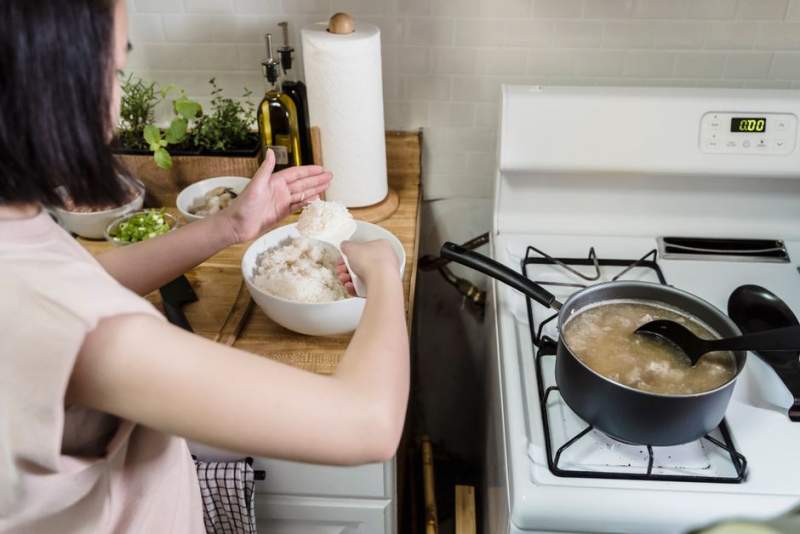
Picture a bathroom sink full of broken hairs after a rushed detangling session. Now picture the same brush gliding through with less resistance, as if someone swapped gravel for oil on the track.
Why frizz and dullness back off next
Frizz is what happens when the outer layer of the hair shaft looks ragged and thirsty. Light scatters, strands lift, and your hair stops reflecting shine the way healthy, sealed hair does.
Rice water helps smooth that outer surface so it behaves more like polished wood than frayed rope. The result is hair that catches light instead of swallowing it, hair that looks neater without begging for heat tools to force it into submission.
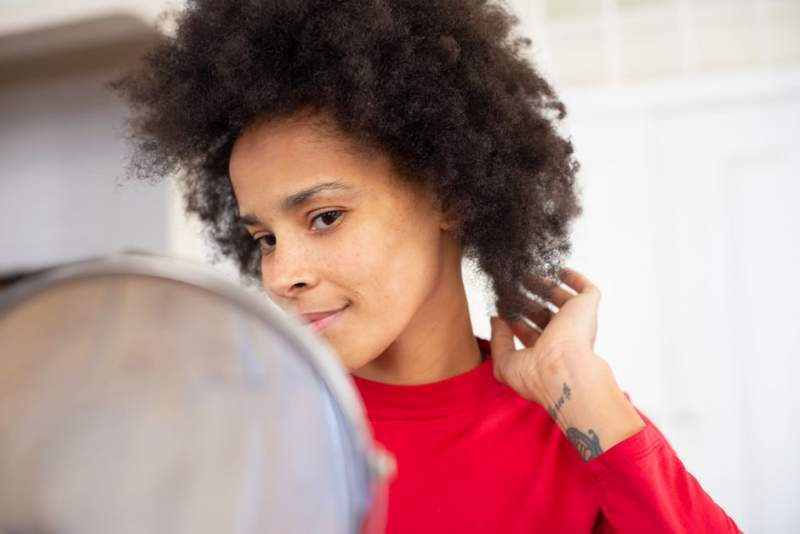
Without that smoothing layer, the hair cuticle stays open and rough, like shingles after a storm. Add rice water, and the surface starts acting like a freshly waxed floor instead of a splintered porch.
Why women often notice the skin shift in a different place
On skin, rice water works less like a heavy treatment and more like a fast clean-up rinse. It can leave the face feeling less sticky, less grimy, and less visually tired when the barrier is dragging from sun, pollution, or a day of product buildup.
Some of the compounds in rice water act like molecular brooms and fire-smothering compounds, helping the skin look calmer and less worn down on the surface. That matters when your face feels tight after cleansing or looks blotchy after a long day outside.
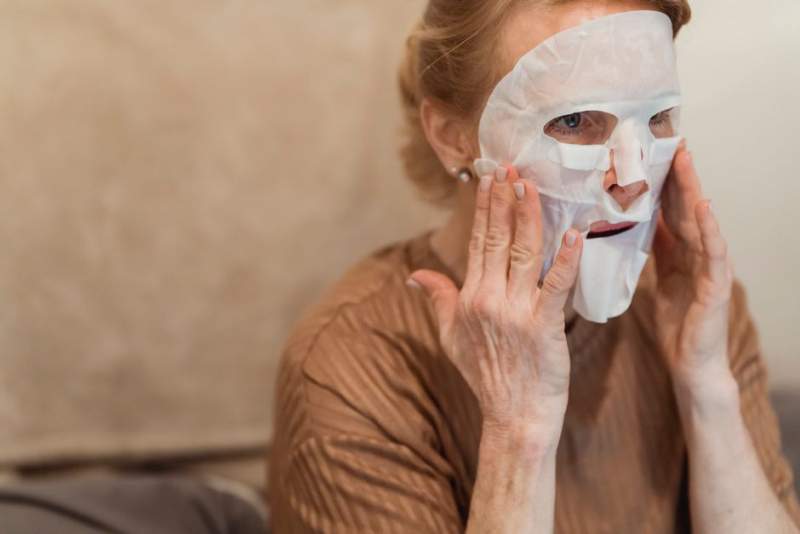
Think of skin barrier stress like a brick wall with worn mortar between the bricks. Rice water doesn’t rebuild the wall from scratch, but it can help the surface stop looking battered and stripped.
Why men feel the shift first in the scalp
A greasy, itchy, product-caked scalp can choke the look of hair before the hair itself is even the problem. When buildup sits there too long, roots look flat, strands clump together, and the whole head takes on that heavy, dirty cast that no shampoo seems to fully erase.
Rice water can help wash away some of that residue and leave the scalp feeling cleaner, lighter, and less suffocated by leftover styling junk. That cleaner base gives hair a better shot at looking fuller and behaving like it actually wants to cooperate.
It’s like clearing dust from a fan before turning it on. The machine still works either way, but once the gunk is gone, everything moves with less drag.
The mechanism nobody wants to explain in plain English
Rice water works through a kind of surface reset. The starches cling lightly, the amino acids feed the appearance of strength, and the dissolved compounds help dull, rough surfaces behave more smoothly for a while.
That’s why people often describe their hair as softer, shinier, and easier to handle after consistent use. Not because rice water rebuilds you from the inside out like a drug, but because it changes how the outer layer performs under stress.
Over time, the pattern gets clearer: less snagging in the shower, less puffiness in humid air, less skin that looks like it spent the night fighting a furnace. The body doesn’t need a miracle; it needs raw biological fuel and a surface that stops getting battered every day.
How to use it without wasting the good part
For hair, the sweet spot is simple: rinse, pour, massage, and don’t drown your scalp in it every day like you’re trying to marinate a chicken. Once or twice a week is enough for most routines to notice the difference without turning strands dry and coated.
For skin, a clean cotton pad or clean hands keep the process from becoming a bacterial mess. Apply it to freshly cleansed skin, let it dry, then seal things in with moisturizer so the whole routine doesn’t evaporate into the air.
Used carelessly, homemade rice water turns from beauty helper into sour liquid sitting in a jar. Used correctly, it becomes a cheap, practical tool that helps hair and skin look less exhausted.
The part that ruins the entire batch
Leaving rice water too long at room temperature or storing it badly turns a useful rinse into a foul-smelling gamble. The whole point is a clean, fresh liquid with a short life, not a jar of mystery sludge that can irritate scalp or skin.
And one more thing: pairing it with a stripped, overwashed routine can cancel out the benefit fast. If your hair is already being blasted with harsh cleansers and heat, rice water is just a thin shield against a much bigger attack.
Keep the next step simple, and the effect gets stronger: there’s a smarter way to combine rice water with the one moisture step most people skip.
This article is for informational purposes only and does not replace professional medical advice. Please consult your healthcare provider for personalized guidance.