Coffee can hit your system like a spark and still leave you feeling like a drained battery. After 60, that’s not just “getting older” — it’s muscle loss, brittle bones, slower digestion, and the kind of bone-deep fatigue that turns a normal morning into a negotiation with your own body.
The Facebook post is talking directly to that collapse: weak legs, shrinking strength, poor recovery, low energy, and the quiet fear of losing mobility. It also points straight at the body systems that start slipping first — muscles, bones, digestion, circulation, and brain power.
And that’s why this matters. The body after 60 is not broken; it’s underfed, underpowered, and running on a stripped-down fuel supply.

The real issue is not age. It’s the missing raw material that keeps tissues from sagging, bones from thinning, and energy from flatlining.
Why the body starts falling behind
Once the years pile up, the body stops absorbing and using fuel with the same force. Protein doesn’t land in the muscles as cleanly, calcium doesn’t lock into bone as tightly, and digestion starts moving like a traffic jam at rush hour.
Think of the body like a house with a failing electrical panel. You can keep flipping switches, but if the wiring is frayed and the power supply is weak, the lights flicker, the appliances groan, and one more load can knock the whole system off balance.

That is what many people feel first: standing up slower, walking shorter distances, feeling sore after simple chores, and waking up already tired. The body is still asking for movement, but the fuel line is half-clogged.
The fix is not punishment. It is strategic rebuilding with the foods that feed muscle, protect bone, and keep the internal machinery from grinding itself down.
The protein surge that keeps legs from giving out
Protein is the repair crew. Without enough of it, muscles shrink, recovery drags, and the stairs start feeling steeper than they should.

Eggs, fish, chicken, Greek yogurt, beans, and lentils drive amino acids into worn tissue like fresh bricks arriving at a damaged wall. The first thing people notice is that daily movement feels less expensive — getting out of a chair, carrying groceries, and walking across the room stops feeling like a small battle.
Picture a pair of legs that have been running on fumes for years. Then protein finally shows up in enough quantity, and those legs stop wobbling like loose hinges on an old gate.
The supplement aisle loves to sell drama. But the cheapest muscle-saving upgrade often sits in the refrigerator, not a glossy bottle. Wall Street doesn’t build empires around eggs and beans.
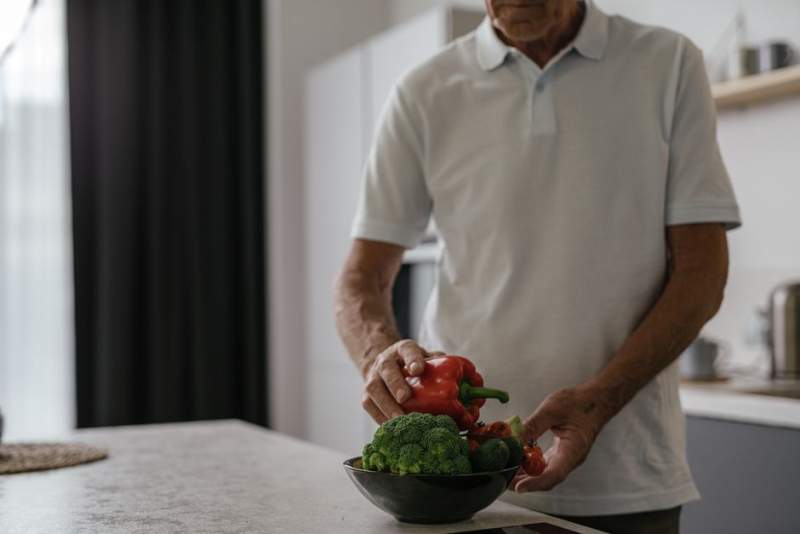
Over time, the shift gets clearer: less frailty, better recovery, and a body that starts answering movement instead of resisting it.
Why bones need calcium and vitamin D like steel needs reinforcement
Bone loss after 60 is silent until it suddenly isn’t. One awkward step, one slip, one weak landing — and the structure that used to hold you upright starts behaving like dry plaster.
Calcium and vitamin D work like the rebar inside concrete. Calcium gives the material, and vitamin D helps drive it into place so the skeleton doesn’t crumble under pressure.
That’s why dairy, sardines, salmon, leafy greens, and fortified foods matter so much. They don’t just “support” bone health — they feed the framework that keeps the body from folding inward.
Think of a bridge that has been rusting from the inside. From a distance it still looks fine, but underneath, the supports are thinning and the stress points are getting dangerous. Bone works the same way when the right minerals are missing.
Why older adults notice this differently: women often feel it first in the hips, spine, and wrists, while men may notice the loss when strength drops faster than expected and balance starts to wobble. The payoff is simple and huge — sturdier steps, less hesitation, and more confidence moving through the day.
The fiber shift that wakes up a sluggish gut
When digestion slows, everything feels heavier. Meals sit like bricks, the bathroom becomes unpredictable, and the whole body feels backed up and sluggish.
Fiber from oats, whole grains, fruits, vegetables, and legumes works like a street sweeper moving through clogged lanes. It scrubs the passageway, keeps things moving, and helps steady blood sugar so the afternoon crash doesn’t hit like a hammer.
The first sign is often embarrassingly ordinary: easier bowel movements, less bloating, and a stomach that stops acting like a pressure cooker. Then the ripple effect shows up in energy, appetite, and even mood.
Picture a sink draining slowly for months. Add the right flow, and the water stops pooling at the top. That is what fiber does for a body that has been quietly backing up.
The ugliest truth in aging nutrition is this: a sluggish gut drags down everything above it. The brain feels foggier, the body feels heavier, and the day starts with less momentum than it should.
The fat that feeds the brain and keeps the fire down
Omega-3 fats from fatty fish, walnuts, flaxseeds, chia seeds, and olive oil act like fire-smothering compounds inside worn tissue. They help calm the internal burn that makes joints feel cranky, the mind feel scattered, and the heart work harder than it should.
Think of the brain like a control room with sticky switches. Healthy fats oil the machinery so signals move cleaner, faster, and with less static.
That is why some people notice sharper thinking, steadier focus, and less of that foggy, “what was I doing?” feeling after meals built around these fats. The body stops running on empty and starts running on better-grade fuel.
The emotional payoff is powerful: more mental clarity, less friction, and the sense that your body is no longer betraying you from the inside out.
The hydration reset that keeps the whole system moving
By 60 and beyond, thirst often goes quiet even while the body is drying out. That means blood gets thicker, digestion slows further, and energy drops into the basement.
Water, soups, herbal teas, and water-rich fruits and vegetables flood tired, shriveled cells with vital moisture. It is not glamorous, but it changes the texture of the whole day.
Think of a garden left under a hot sun too long. The leaves curl, the soil hardens, and everything looks tired. Then water returns, and the whole thing lifts.
That is the difference between shuffling through the morning and feeling like your body actually has some spring in it. The face looks less drawn, the head feels clearer, and the body stops dragging its feet.
There’s a reason the cheapest fix gets the least airtime: it doesn’t pay to sell people the foods that already exist in their kitchen.
One thing that can wreck the whole process
Dumping all of this into one giant meal is a fast way to make digestion rebel. A huge plate of protein, fiber, and fat with barely any chewing turns the gut into a crowded loading dock, and the body spends more energy struggling than absorbing.
Smaller balanced meals spread through the day keep the system moving instead of slamming it shut. Pair that with movement, and the whole process becomes cleaner, lighter, and far less punishing.
The next piece that changes everything is a mineral most people overlook — and when it’s missing, even the best foods start working with one hand tied behind their back.
This article is for informational purposes only and does not replace professional medical advice. Please consult your healthcare provider for personalized guidance.